
The average cost per lead at a trade show runs about $100 to $300, which looks cheap next to the $400 to $600 a cold outbound lead tends to cost. That headline number is also close to useless. It counts every badge you scanned, including the people who were never going to buy, and it usually leaves out most of what the show actually cost you. The figure worth managing is the cost per qualified lead, and it is almost always several times higher than the one on your dashboard.
What counts as a good cost per lead at a trade show
Cost per lead at a trade show is simple to state and easy to misread. You take what the show cost and divide it by the number of leads you captured. Run that with typical numbers and most B2B exhibitors land somewhere between $100 and $300 per lead, which is why the channel gets described as a cheaper source of leads than cold outbound.
The trouble sits inside those two inputs. The cost side is usually understated, and the lead side is usually inflated. The benchmark below shows the number in the context that actually matters.
Cost per lead at a trade show, in context:
| Measure | Typical figure |
| Reported cost per lead, raw badge scans | $100 to $300 |
| Cold outbound sales lead, for comparison | $400 to $600 |
| Cost per qualified lead, once you remove the non-buyers | 3 to 5 times the reported figure |
Most exhibitors quote the first row and feel good about the second. The third row is the number a finance team would recognize as real, and it is what the rest of this piece is about.
How to calculate cost per lead at a trade show
The formula is total cost divided by total leads. The result is only as honest as the total cost you put into it, and that is where most calculations quietly fall apart.
Teams tend to remember the invoice they signed and forget everything attached to it. Booth space is the line item everyone counts. The rest of the show is what actually drains the budget, and leaving it out makes the cost per lead look far better than it was.
An honest cost per lead at a trade show includes:
- Booth space and the stand itself, including design, build, and graphics.
- Staff time on the floor, plus flights, hotels, meals, and the days those people spent away from their normal work.
- Shipping, drayage, and the freight charges that arrive after the event.
- Lead capture technology, giveaways, and anything else handed out at the booth.
- Follow-up, meaning the hours the team spends afterward turning scans into real conversations.
Add all of it, then divide by your leads. To see how much the number moves as each category goes in, an event cost calculator shows the difference in a couple of minutes. Most teams are surprised by how far the honest figure climbs once staff time and follow-up are in the total.

Why cost per lead and cost per qualified lead are not the same number
This is where the badge count does its damage. A scan is not a lead in any sense a sales team would accept. It is a record that someone walked close enough to your booth to get their badge read, and plenty of those people are competitors, students, job seekers, and browsers who will never buy from you.
If you divide by all of them, the number looks flattering. The figure that predicts pipeline comes from dividing by only the people who fit your customer profile and have a real reason to talk.
Put real numbers on it. A mid-size exhibitor spends $30,000 on a show, all in, and comes home with 300 badge scans. The reported cost per lead is $100, right at the bottom of the benchmark range. Now apply the qualification rate that raw scans usually deliver, around one in four. That leaves 75 leads worth a salesperson’s time, and the same $30,000 divided by those 75 is $400 per qualified lead, four times the number on the dashboard.
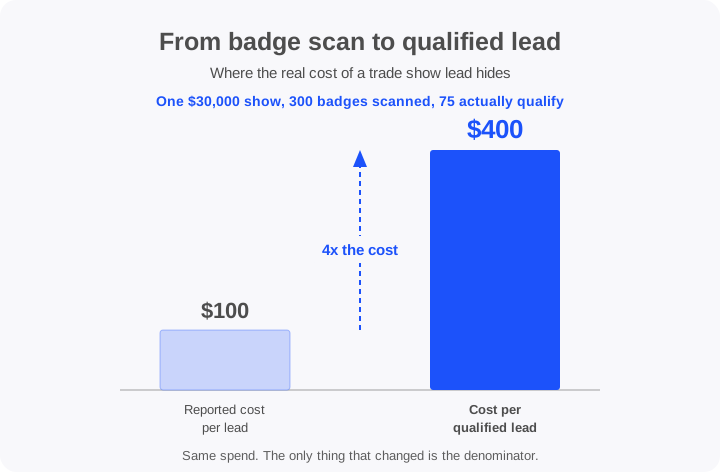
The gap between $100 and $400 is not a rounding error. It is the difference between a channel you assume is cheap and one you can actually manage. It also explains how two exhibitors at the same show, spending the same money, walk away with completely different results. An exhibitor who qualifies at the booth is buying leads at a price they can see, while one who scans everything that moves has no idea what a real lead is costing.
How trade show cost per lead compares to your other channels
Trade shows still compare well against cold outbound once you have an honest denominator, and there is a structural reason the comparison holds. A booth conversation is a rare kind of access. Gartner’s research on B2B buying found that buyers spend only about 17% of their total buying time meeting with potential suppliers, and when they are weighing several vendors, as little as 5% to 6% of that time goes to any single one.
That sliver is the entire window you get. A qualified conversation at your booth is one of the few moments a buyer will spend with you directly, which makes the lead behind it worth more than a form fill from someone who was half paying attention. The same research puts a typical buying group for a complex purchase at six to ten people, so the contact you qualified is usually your way into a committee rather than a single decision.
None of that shows up in a raw cost per lead, and neither does time. Trade show leads often take three to six months to close, so measuring the channel thirty days after the show, when almost nothing has converted, makes it look worse than it is. The number improves as the pipeline matures, but only for the leads that were qualified in the first place.
How to bring your cost per lead down without gaming the number
You can shrink cost per lead at a trade show two ways. Counting fewer costs and more scans makes the number smaller and fixes nothing. Actually lowering what a qualified lead costs comes down to a few things within your control.
Start by qualifying at the booth instead of in the follow-up. The cheapest way to raise your qualification rate is to capture context while the conversation is happening: what the person actually needs, their timeline, whether they can buy. A scan with a note attached is worth far more than a bare scan, and it means the denominator in your math is made of real leads.
Pre-show outreach comes next. Reaching the right attendees before the doors open turns some of your booth traffic from strangers into booked conversations, which lifts the share of scans that end up qualifying. Deciding whether an event is worth the budget and calculating the return before the show are the same discipline applied earlier in the calendar.
Then there is follow-up speed. A qualified lead you never call is the most expensive lead of all, since you paid to capture it and got nothing back. Knowing which prospects actually engaged after the show is what keeps fast follow-up focused rather than random. Capturing qualification context on the floor and seeing which leads return to your content later is the kind of signal momencio was built to surface, so the team works the people showing real interest instead of the whole list top to bottom.
Do all of this and the reported number and the real number start to move toward each other, which is the whole reason to measure it at all. A cost per lead you can trust is one where the leads are genuinely qualified and every cost is in the total.
Frequently asked questions about cost per lead at a trade show
- What is the average cost per lead at a trade show?
- For most B2B exhibitors, the reported cost per lead at a trade show falls between $100 and $300, taking total show cost divided by badges scanned. That is cheaper on paper than cold outbound, which tends to run $400 to $600, but the raw figure ignores whether those leads were any good.
- How do you calculate cost per lead at a trade show?
- Divide the full cost of the show by the number of leads you captured. The full cost covers booth space, staff time and travel, shipping and drayage, lead capture technology, and follow-up hours. Leaving any of these out makes the number look smaller than the show really was.
- What is a good cost per qualified lead?
- There is no single figure, since it depends on your qualification rate. If one in four badge scans is a genuine prospect, your cost per qualified lead is roughly four times your reported cost per lead. The aim is a number you can trust, not the lowest number on the dashboard.
- Is a trade show cost per lead cheaper than other channels?
- On raw numbers, usually yes, since a badge scan tends to cost less than a cold outbound lead. The comparison only holds once you divide by qualified leads rather than total scans and count the show’s full cost, because both adjustments push the real figure higher.
- Why is my trade show cost per lead so high?
- Most often because you are finally counting it honestly. Adding staff time, travel, shipping, and follow-up to the total, then dividing by only the leads worth pursuing, gives a figure several times higher than a raw scan count. That higher number is the one worth working with.
- How can I lower cost per lead at a trade show?
- Raise the share of scans that qualify rather than shrink the cost figure. Qualify prospects at the booth, reach the right attendees before the show, and follow up quickly with the leads showing real interest. Each of these lifts the number of qualified leads your spend produces.